A Beginner’s Guide to Norweco Singulair Green Wantage NJ Systems
@felixnlmm479
September 29, 2026 · 15 min read
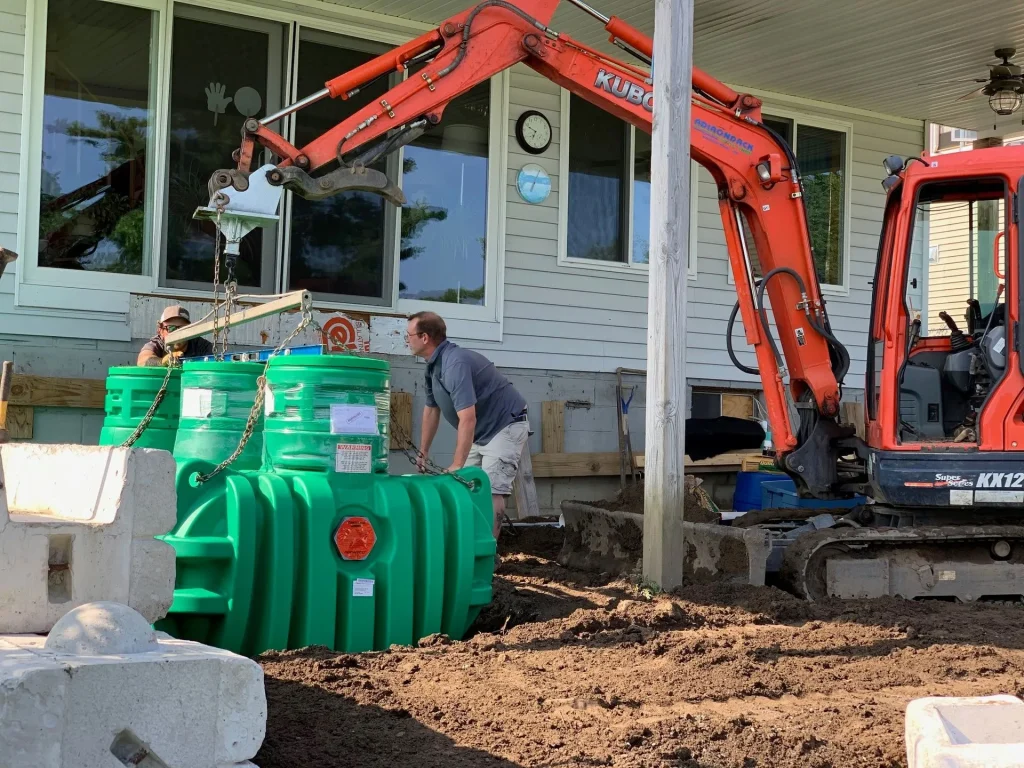
If you live in Wantage, NJ and your property is not tied into a municipal sewer line, wastewater treatment is not an abstract topic. It is part of daily life, whether you think about it often or not. Most homeowners know the basic idea of a septic system. Far fewer understand what they own when the property uses an advanced treatment unit such as a Norweco Singulair Green system.
That gap matters. A conventional septic system and an aerobic treatment system do not behave the same way. They do not tolerate the same habits, they do not ask for the same maintenance, and they are not installed for the same reasons. In northern New Jersey, where lot conditions, groundwater, rock, and local health requirements can complicate wastewater design, an advanced unit is often chosen because a standard system is not the best fit or may not be permitted on its own.
For homeowners searching for practical information on a norweco singulair green Wantage NJ installation, the first thing to understand is that this is not just a tank buried in the yard. It is a treatment system that uses controlled aeration and staged processing to improve wastewater quality before discharge to the soil treatment area. Think of it less like a passive holding-and-settling tank and more like a compact on-site treatment plant built for a single home.
What a Norweco Singulair Green system actually does
At the most basic level, the Norweco Singulair Green is an aerobic treatment unit, often shortened to ATU. A standard septic tank mostly separates solids from liquids and relies heavily on the soil absorption field for final treatment. An aerobic unit goes further before the water ever reaches the dispersal area.
Inside the system, wastewater passes through treatment zones that encourage the growth of beneficial bacteria in an oxygen-rich environment. Those microbes break down organic matter more aggressively than the anaerobic processes found in a typical septic tank. By the time effluent leaves the unit, it has generally received a higher level of treatment than conventional septic tank effluent.
That extra treatment can be valuable on properties where site conditions are challenging. In places with shallow soils, seasonal water issues, tighter environmental requirements, or sensitive nearby water resources, an enhanced treatment process can help a designer meet performance targets that a basic septic layout may struggle to achieve.
Homeowners are sometimes surprised to learn that this improved treatment comes with moving parts. A Norweco system is not passive. It usually excavatingnj.com norweco singulair green Wantage NJ includes electrical components, aeration equipment, internal recirculation or flow management features, and service points that need periodic inspection. That sounds intimidating at first, but it is manageable once you understand the rhythm of ownership.
Why systems like this show up in Wantage
Wantage sits in Sussex County, where rural and semi-rural properties are common. Septic ownership is part of the landscape. So are site limitations. One lot may have decent soils and broad usable area. The next may have slope, rock, high seasonal groundwater, drainage constraints, or setbacks that make a conventional design harder to permit.
That is where advanced treatment systems enter the picture. They can be used to improve effluent quality before it reaches the disposal field, which may allow an engineer and local regulator to work within the realities of a site more effectively. I have seen homeowners assume an advanced system was chosen simply because it is newer or more expensive. In practice, it is often chosen because the property needed a more refined solution.
Northern New Jersey weather also changes the maintenance conversation. Long cold spells, spring saturation, and power outages from storms are real concerns. A good system design accounts for those conditions, but homeowner habits still matter. A unit that runs well in October can start showing symptoms by late winter if filters are neglected, alarms are ignored, or water use gets wildly uneven.
How the treatment process works in plain language
Most homeowners do not need a technical manual. They need a mental model that helps them make better decisions. Here is the simple version.
Wastewater from the house enters the treatment unit. Solids and scum separate from the water, much as they would in a regular septic tank. Then the system introduces oxygen into part norweco singulair green Wantage NJ of the treatment process. That oxygen supports aerobic bacteria, which digest waste more efficiently and reduce pollutant levels. Depending on the specific configuration and permit requirements, the treated water may then move on to additional clarification, disinfection, or final discharge to the soil dispersal component.
The soil still matters. Even a sophisticated treatment unit is only one part of the full wastewater system. The dispersal field, drip area, bed, or other approved discharge method remains critical. When people say, “The septic is fine, it’s just the field,” they are talking about a distinction that matters in the real world. A beautifully maintained treatment unit cannot fully compensate for a damaged or overloaded disposal area.
What ownership feels like day to day
Most of the time, ownership is uneventful. If the system is properly installed and serviced, you should not notice much beyond occasional maintenance visits and maybe a control panel or alarm light mounted somewhere accessible. The trouble starts when owners assume “out of sight” means “no attention required.”
A Norweco Singulair Green system rewards consistency. Regular water use is easier on it than extreme surges. Laundry spread across the week is better than ten loads in one afternoon. Prompt repair of leaking toilets is not optional. A running toilet can send hundreds of gallons of unnecessary flow into the treatment system and disposal area. I have seen one silent toilet leak create more long-term stress on a system than a holiday weekend full of guests.
The other day-to-day reality is power. Because this is an aerobic system, it depends on electrical operation. If the power goes out for a short period, the system usually does not fail instantly. If outages are prolonged or frequent, treatment performance can suffer. In Wantage, where storms can knock out service, that is worth planning for mentally even if you do not install a backup power solution.
The maintenance side homeowners should expect
This is the point that surprises first-time buyers. A conventional septic tank may go years between direct professional attention beyond pumping and occasional inspection. An advanced treatment unit usually requires more structured oversight. In many cases, a service contract is part of the ownership picture, either by permit condition or practical necessity.
Routine service often includes checking aeration function, verifying that alarms and controls work, inspecting internal components, evaluating sludge and scum accumulation, and cleaning or replacing serviceable parts as needed. Pumping intervals vary with household size, actual water use, and system configuration. Any precise number should come from a qualified service provider familiar with your specific setup, not from a one-size-fits-all rule.
What matters most is consistency. Skipping service because the sinks still drain is one of the most expensive forms of false economy in septic ownership. Advanced systems usually give you better treatment, but they ask for better stewardship in return.
Here are the habits that tend to keep these systems happier over time:
- Spread out water use instead of sending large surges through the house in a short window.
- Keep grease, wipes, feminine products, and “flushable” products out of the plumbing.
- Respond quickly to alarms, odors, soggy ground, or plumbing backups.
- Maintain any required service agreement and keep records of inspections and pumping.
- Protect the treatment and dispersal areas from vehicle traffic, grading changes, and deep-rooted plantings.
Those points sound simple because they are. The difficulty is that many homeowners follow them only after a problem appears.
What can go wrong, and what those issues usually mean
Every septic professional has stories about the service call that started with “it was working fine yesterday.” Systems usually give subtler warnings than people realize.
An alarm may indicate high water, blower trouble, pump trouble, or another component issue. The correct response is not panic, but it is also not delay. Silence an audible alarm if your panel allows it, then call for service and reduce water use until the cause is identified. Continuing normal household flow into a unit that is already signaling distress can turn a manageable repair into a much bigger mess.
Odors are another clue. A faint, brief odor near an opening during service is not unusual. Persistent sewage smell in the yard, near the tank, or around the house deserves attention. It can indicate venting issues, treatment upset, solids carryover, or trouble in the dispersal area.
Wet or spongy soil is often misunderstood. After heavy rain or snowmelt, some dampness can have more than one cause, especially on challenging sites. But if a particular area repeatedly looks saturated, greener than the surrounding lawn, or smells off, it should be evaluated. Homeowners sometimes blame weather for months when the disposal area is actually overloaded or the treatment process has been compromised.
Winter adds its own quirks. A shallow or stressed system can react poorly to frozen conditions, particularly if there is low use in part of the home, poor insulation over piping, or repeated stop-and-start loading from weekend occupancy patterns. Wantage homeowners with seasonal or lightly used properties should mention that usage pattern to their service provider because it affects how the system performs.
Buying a home with a Norweco Singulair Green system in Wantage NJ
If you are purchasing a property with a norweco singulair green Wantage NJ setup, ask better questions than “Does it work?” That question is too broad to be useful.
Ask how old the system is, who services it, whether there is a current maintenance agreement, when it was last pumped, whether there have been alarm events, and whether any components were replaced recently. Request service records if they exist. A seller who has owned the home responsibly can usually produce at least some paperwork, even if it is a file folder with dated invoices and pump-out receipts.
Also ask whether any renovations changed the bedroom count or occupancy assumptions. Wastewater systems are designed around expected daily flow. If a three-bedroom house was effectively turned into a five-sleeping-area house without regard to the original design basis, the system may be carrying more load than intended.
A pre-purchase inspection by someone qualified in advanced on-site treatment systems is money well spent. Not every inspector evaluates aerobic units with the same depth. A general home inspection may identify obvious red flags, but it does not replace septic-specific expertise.
The cost question, honestly
Homeowners want neat numbers. Real life rarely cooperates. Costs vary widely based on installation complexity, site conditions, local labor, permit requirements, access for equipment, electrical work, and the condition of related components like pumps, controls, and the disposal field.
For ongoing ownership, budget for routine service and periodic pumping as normal operating costs, not as unpleasant surprises. Repairs can range from modest component replacement to substantial work if neglected problems affect multiple parts of the system. If the dispersal area has issues, expenses can climb well beyond the treatment unit itself.
The useful way to think about cost is comparative rather than absolute. A Norweco Singulair Green system usually costs more to maintain than a simple gravity septic tank. It may also make a home buildable or livable on a site where a simpler system was not feasible. Seen in that light, its value is tied to what it allows the property to do safely and legally.
What not to flush, pour, or dump
This topic gets reduced to slogans, but the details matter. Aerobic treatment systems depend on healthy biological activity and clear hydraulic pathways. Anything that disrupts those two things can shorten component life or reduce treatment quality.
Grease is still a problem, even if you run hot water after dinner. It cools, coats surfaces, and contributes to blockages or sludge buildup. Wipes marketed as flushable remain one of the most common causes of trouble in pumps and internal components. Harsh chemicals, paint, solvents, and large doses of antibacterial products can upset the biology of the system. Occasional normal household cleaning is usually not the issue. Repeated or concentrated dumping is.
Garbage disposals deserve a special note. Some systems can handle that added organic load better than others, but ground food still increases solids accumulation and often shortens the interval between pump-outs. From an ownership standpoint, less food waste in the wastewater stream is almost always the safer bet.
Working with service providers and local oversight
A good service relationship makes ownership easier. The best providers do more than change parts. They explain what they are seeing, track trends, and tell you when a small issue is becoming a bigger one.
When talking with a service company, ask them to explain the specific components on your property rather than discussing the system only in general terms. Homeowners often know they have “a Norweco,” but not whether the site also includes dosing equipment, filters, additional tanks, or a particular type of dispersal area. Those details matter when you are troubleshooting or budgeting.
Because wastewater systems are regulated locally and at the state level through design and approval frameworks, permit conditions can differ from one property to another. That is why the advice “my neighbor does it this way” is shaky. Two houses on the same road can have very different approved designs and service expectations. When in doubt, defer to your approved plans, local health requirements, and a qualified septic professional familiar with the area.
A quick comparison with a conventional septic system
For beginners, it helps to see the contrast directly.
| Feature | Conventional septic system | Norweco Singulair Green system | | --- | --- | --- | | Treatment style | Mostly passive, with soil doing much of the final treatment | Active treatment with aeration before discharge | | Electrical needs | Often none for simple gravity systems | Typically requires power for operation | | Maintenance pattern | Pumping and periodic inspection | More regular inspection and service | | Fit for difficult sites | Sometimes limited by soil and site conditions | Often used where higher treatment is needed | | Owner attention required | Lower | Higher |
That does not mean one is universally better. It means they solve different site problems and ask different things of the homeowner.
Practical habits that extend system life
The homeowners who get the best long-term results usually are not doing anything dramatic. They are just steady. They notice early warnings, they avoid abuse, and they treat the system as part of the house rather than as buried infrastructure that should somehow manage itself forever.
Water discipline matters more than many people think. A house with efficient fixtures, repaired leaks, and spread-out laundry usually gives the treatment unit a fair chance to perform as designed. Occupancy changes matter too. If adult children move back home, if a finished basement becomes a frequent guest suite, or if short-term rental use is being considered, that can change the wastewater profile significantly.
Landscaping choices also count. Deep-rooted trees and aggressive shrubs should not be planted over or too near system components. Heavy vehicles should stay off treatment and dispersal areas. I have seen perfectly serviceable systems damaged not by internal failure, but by a contractor parking equipment in the wrong spot for one weekend.
When a system is a good fit, and when expectations need adjusting
For many properties in Wantage, an advanced treatment unit is a sensible answer to a difficult site. It can support responsible wastewater management where a simpler setup would be less effective or less likely to satisfy permitting constraints. That is the upside, and it is a real one.
The trade-off is that advanced treatment is not a set-it-and-forget-it arrangement. If you want the benefits, you need to accept the maintenance culture that comes with them. Homeowners who resent every service visit or postpone every minor repair usually end up paying more later.
On the other hand, owners who understand the system tend to do well with it. They learn what normal sounds and signals look like, they keep records, and they call early when something changes. That is not obsessive. It is practical.
A Norweco Singulair Green system is not mysterious once you strip away the unfamiliar terminology. It is an on-site wastewater treatment system designed to do more treatment before effluent reaches the soil. On the right property, that can be exactly what is needed. In Wantage, where land conditions and rural infrastructure often shape what is possible, understanding that difference is the first step toward owning the system well.
Excavating New Jersey LLC
406 County Rd 565
Wantage, NJ 07461, United States
Phone: +1 (973) 791-4284
FAQ About norweco singulair green Wantage NJ
How does a Norweco septic system work?
Singulair Green uses aerobic biological treatment in a polyethylene tank, followed by settling and filtration. The treatment unit is one part of a complete wastewater system; the site design also determines how treated effluent is dispersed.
How much does a Norweco septic system cost in NJ?
A useful estimate requires a property evaluation. Excavation access, soil conditions, engineering, electrical work, the disposal field, and restoration can affect the total. Ask Excavating New Jersey LLC for a written scope that distinguishes installation costs from ongoing service costs.
Are Norweco septic systems good?
Singulair Green is an established aerobic treatment option, but suitability depends on the property and proposed design. Compare the model's documented performance, maintenance needs, and total project scope with alternatives before deciding.