Norweco Singulair Green Homeowner Tips for Efficient Operation
@felixnlmm479
October 28, 2026 · 14 min read
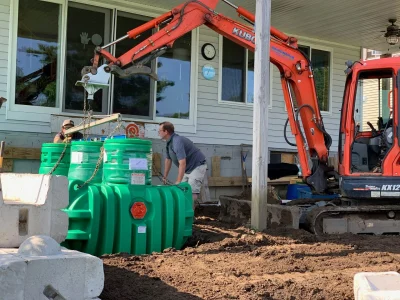
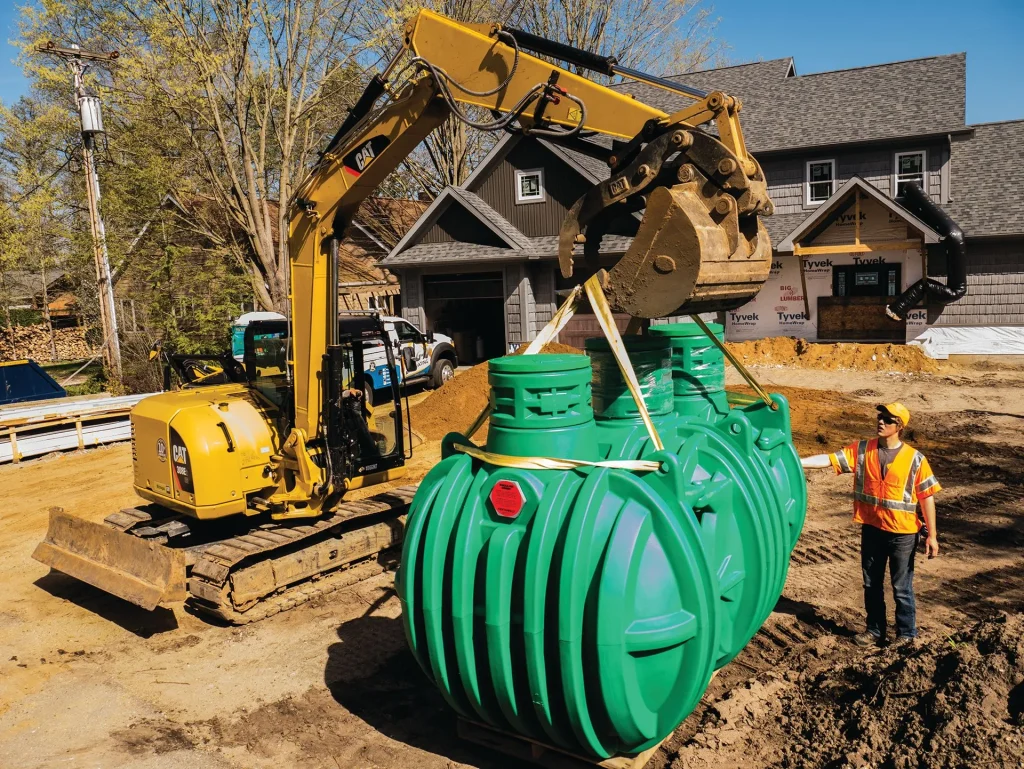
A Norweco Singulair Green system can serve a home quietly for years, but it rewards attention. Homeowners often think of on-site wastewater treatment as something that should disappear into the background, right up until an alarm sounds, a yard turns soggy, or a service technician delivers expensive news. In practice, efficient operation comes from a handful of steady habits, a basic understanding of how the system works, and a willingness to treat it like an important household appliance rather than buried infrastructure.
That distinction matters. A conventional septic tank mostly separates and stores solids. A treatment unit such as the norweco singulair green does more. It relies on biological treatment, moving parts, electrical components, and careful water flow patterns. When everything is balanced, the system treats household wastewater effectively and with less environmental impact than a neglected or overloaded setup. When that balance is ignored, performance slips long before a crisis becomes visible.
I have seen the same pattern in home systems over and over. The owners who get the best life out of their equipment are not necessarily the most technical. They are simply consistent. They notice changes in sound, runoff, drain speed, or usage habits, and they respond early. A few small course corrections usually prevent the bigger repairs that come from overload, grease accumulation, wipes, excess chemicals, or deferred maintenance.
What efficient operation really means
For a homeowner, efficiency is not just lower power use. With a wastewater treatment unit, efficiency means the system receives a manageable volume of wastewater, the biological process stays healthy, solids are removed on schedule, and every mechanical component can do its job without strain. Electrical consumption is part of the picture, but it is not the whole picture.
An efficiently operated system tends to show a few clear signs. Indoor drains work normally. The aeration and treatment process runs without unusual odor. The yard around the treatment area stays dry under normal conditions. Alarms stay quiet. Service visits remain routine instead of urgent. Most importantly, the treated water leaving the unit is more likely to meet the standard the system was designed to achieve.
Homeowners sometimes chase the wrong target. They try to save the blower or aerator from running, or they reduce water use in ways that are impractical, while continuing to flush harmful products or skipping pumping. That is false economy. A treatment unit depends on biological activity and mechanical circulation. Trying to "rest" the system by switching things off can do more harm than good. Real efficiency is about supporting continuous, stable treatment.
Know the parts you rely on
You do not need to become your own wastewater engineer, but it helps to know what is likely happening underground or inside the treatment unit. The norweco singulair green line is designed to treat wastewater in stages. In broad terms, wastewater enters the system, solids settle or separate, air supports the microorganisms that digest waste, and treated effluent moves onward for discharge or final dispersal according to the site design.
That means there are a few categories of things that deserve your attention. First, there is the biological process. Beneficial bacteria do the treatment work, but only if they are given a stable environment. Second, there are mechanical and electrical components, such as the aeration equipment, alarms, and controls. Third, there is hydraulic loading, which is the amount and timing of water entering the system. Even a healthy unit can be stressed by too much water arriving too quickly.
When owners understand those three pressures, biology, mechanics, and flow, they make better day-to-day decisions. A sink full of degreaser, three back-to-back loads of laundry, and a forgotten alarm all stress the same system from different angles.
Water flow is often the hidden culprit
The most common operational problem I see in residential systems is not dramatic misuse. It is ordinary overloading. A family adds guests for the weekend, runs extra laundry, takes longer showers, and maybe has a leaking toilet no one has noticed. The system receives a surge of water that pushes solids around, shortens treatment time, and reduces performance.
A treatment unit needs time. Wastewater has to move through the process at a pace the system was built to handle. If too much enters too fast, even a well-designed unit can struggle. That is why spreading out water use matters more than many people expect.
Laundry is the easiest place to improve system efficiency. A newer high-efficiency washer helps, but load timing matters just as much. Four medium loads spread over two days are gentler on the system than four loads in one afternoon. The same principle applies to bathing. In a busy household, staggering showers by even 20 to 30 minutes can smooth the daily peak.
Leaking fixtures are another quiet enemy. A running toilet can add a surprising amount of water over a day, and unlike a shower or dishwasher cycle, it never lets up. Homeowners who maintain efficient wastewater treatment almost always fix leaks quickly because they understand every extra gallon has to be processed.
What goes down the drain still matters
Modern homeowners are often told that treatment systems are robust, and many are. Still, biological treatment is not indestructible. The norweco singulair green system performs best when wastewater resembles normal domestic flow, not a chemistry experiment.
Kitchen grease is one of the most persistent problems. Even if hot water seems to wash it away, grease cools and congeals farther down the line. It can create scum buildup, interfere with treatment, and contribute to clogs in plumbing or downstream components. A coffee can under the sink does more for system longevity than many expensive additives.
Disinfectants and cleaners deserve a balanced approach. Reasonable household cleaning is fine. Panic about every drop of bleach is usually misplaced. The trouble comes from concentrated dumping. Pouring leftover mop bucket chemicals, solvent-based cleaners, paint residue, or large quantities of antibacterial products into the drain can disturb the biological population the system relies on. The occasional washed surface is one thing. Repeated high-strength disposal is another.
The same caution applies to so-called flushable products. Wipes, even those marketed for septic use, are notorious for resisting breakdown. Feminine hygiene products, paper towels, dental floss, cat litter, and similar materials belong in the trash. A treatment unit is designed for human waste and toilet paper, not durable household waste.
The outdoor area deserves protection too
Homeowners sometimes focus entirely on indoor habits and overlook the treatment field, discharge area, or access points outdoors. Efficient operation depends on keeping these areas functional and accessible.
Heavy vehicle traffic over any buried wastewater component is a bad bet. Tanks, piping, and dispersal areas are not built to serve as parking pads. Soil compaction alone can reduce performance by limiting how water moves and how oxygen exchanges in the soil. In the worst cases, structural damage follows, and those repairs are rarely cheap.
Landscaping can also work against the system. Deep-rooted trees and thirsty shrubs may seek moisture and infiltrate lines. Decorative features such as patios, sheds, or retaining walls can interfere with access for maintenance or alter drainage patterns. If you are planning yard changes, it is wise to locate every wastewater component first and design around it.
Surface water control matters more than some owners realize. Roof downspouts, sump discharges, and grading should direct clean water away from the treatment and dispersal areas. Groundwater and stormwater do not belong in a wastewater system. They fill treatment capacity without adding any useful load, and during wet seasons they can make a marginal system fail outright.
Maintenance is where efficient systems separate themselves
There is a practical difference between a system that merely functions and one that functions efficiently year after year. That difference is scheduled maintenance. Mechanical treatment units ask for more attention than a basic tank because they provide a higher level of treatment through active processes. The trade-off is worthwhile, but only if the owner respects it.
Regular inspection catches the small things. An unusual blower sound, residue buildup, a sticky float, an early solids accumulation issue, or a wiring problem can often be corrected before it affects treatment quality. Skip enough routine visits and those same issues become emergency calls.
Pumping intervals depend on household size, water use, and solids loading. There is no honest one-size-fits-all schedule. Some homes need more frequent service because of occupancy or habits. Others can go longer. What matters is using a service professional who understands the unit and can judge actual sludge and scum accumulation rather than relying on guesswork or generic calendar advice.
I have seen owners spend thousands correcting problems that started with a missed service appointment or a "we'll deal with it next year" attitude. Wastewater systems are unforgiving that way. They tend to store up consequences quietly.
A practical homeowner routine
If you want a simple approach that supports efficient operation without turning this into a hobby, focus on a few repeatable actions:
- Spread out major water use, especially laundry and consecutive showers.
- Keep grease, wipes, and harsh chemical dumps out of the drains.
- Respond quickly to alarms, odors, slow drains, or wet spots in the yard.
- Protect the treatment area from vehicles, excess runoff, and aggressive roots.
- Keep inspection and pumping on a documented service schedule.
That routine covers most of what drives long-term performance. It is not glamorous, but it works.
Pay attention to alarms and subtle warning signs
Homeowners sometimes make the mistake of treating an alarm like a smoke detector with a weak battery, annoying, but tolerable for a while. On a treatment unit, an alarm is a request for immediate attention. It may point to a high water condition, aeration issue, or another fault that affects treatment. Silencing it without investigating the cause is risky.
Even before an alarm, systems usually offer clues. Toilets that start gurgling, drains that are slower than usual, stronger odors near the unit, or standing water where it should not be are all signs worth acting on. None of them prove the same problem, but they tell you the system is no longer operating in its normal range.
One homeowner I worked with described a faint change in sound from the equipment cabinet weeks before any obvious symptom appeared. He did not ignore it. The issue turned out to be a component wearing out, caught before it caused a backup. That kind of attention saves both money and stress. People sometimes assume wastewater systems fail without warning. More often, the warnings are just subtle.
Seasonal changes can shift the workload
Weather and occupancy patterns matter. Summer often brings guests, more laundry, and greater water use. Holidays can create short-term surges in houses that normally have only one or two occupants. Wet seasons can increase groundwater pressure around the system. In colder climates, frozen lines or vents may become a concern if a property is vacant or poorly winterized.
Efficient homeowners adjust to these cycles. Before a house fills with guests, they become more deliberate about laundry and shower timing. Before a long absence, they make sure the system is in good condition rather than leaving with unresolved issues. During very wet periods, they watch the yard and keep surface runoff moving away from the treatment area.
This is also where record-keeping helps. Not elaborate records, just useful ones. If you know when the tank was pumped, when components were serviced, and when prior issues occurred, seasonal patterns become easier to spot. A note on your phone is enough. Memory alone is less reliable than people think.
Additives, shortcuts, and common misconceptions
Many homeowners are marketed additives that promise better bacterial action, less pumping, or a cleaner system. Be careful here. A properly operating treatment unit already depends on natural biological activity. Most of the time, the best support you can give that biology is sensible water use and keeping damaging materials out of the drain.
If a product claims it will eliminate the need for pumping, I would view that skeptically. Solids do not vanish simply because a packet says they will. Some products may not cause harm, but homeowners should not treat them as a substitute for inspection and service. When in doubt, ask a qualified service provider familiar with your specific model and local requirements.
Another misconception is that any "green" branded system can tolerate abuse because it is advanced. The norweco singulair green name reflects treatment intent and design, not immunity. High-performance equipment often has tighter expectations, not looser ones. Think of it the way you would think of a high-efficiency furnace. It can perform beautifully, but only if filters, airflow, norweco singulair green and maintenance are not neglected.
Power reliability matters more than many expect
Because a treatment unit uses powered components, homeowners should think about electrical reliability. A short outage is usually just an inconvenience. A longer outage can affect aeration and treatment performance, especially if water use inside the home continues as though nothing changed.
If your area experiences frequent power interruptions, ask your service professional what your specific setup can tolerate and how your household should respond during an outage. In some homes, the smart move is simply reducing water use until power is restored. In others, backup power may be worth considering, particularly if outages are common and extended.
This is not about overengineering every home. It is about understanding that treatment depends on more than gravity alone. A system with an aerator or controls cannot operate at full performance without electricity.
When household changes affect the system
Wastewater treatment is sized and selected with expected occupancy in mind. Changes in the household can shift that balance. A new baby, an aging parent moving in, a finished basement with added bathroom use, or converting part of the home into a short-term rental can all increase flow and solids loading.
Homeowners often focus on the remodel or occupancy revenue and forget the wastewater side until a problem surfaces. If your home use is changing in a meaningful way, it is wise to discuss that with a local professional. Sometimes the system can handle it comfortably. Sometimes a maintenance schedule needs adjustment. Sometimes the existing setup is being asked to do more than it was intended to do.
That kind of judgment is especially important with guest houses, home businesses, or properties that shift from seasonal to full-time occupancy. The stress on the system may not show immediately, but it tends to show eventually.
Working with a service provider pays off
Good service relationships make ownership easier. The best wastewater technicians do more than pump or swap parts. They notice trends, explain what they are seeing, and help you match your household habits to the needs of the system. If you find someone who knows your equipment and communicates clearly, keep them.
When you schedule service, ask practical questions. Is solids accumulation normal for the occupancy? Are there signs of excess grease or hydraulic overloading? Is the aeration equipment operating normally? Are there changes in odor, effluent clarity, or component wear that you should track? Those questions move the conversation beyond yes or no answers and help you become a better owner.
It also helps to keep your service records in one place. If the house is ever sold, those records reassure buyers and protect value. Wastewater treatment systems make some buyers nervous because they assume hidden risk. Clear documentation changes that conversation.
Small habits, long lifespan
Most efficient operation advice comes back to ordinary discipline. Respect the biology. Manage the water flow. Protect the equipment. Keep up with service. Those four ideas are not flashy, but they are the reason one homeowner gets decades of dependable performance while another faces preventable repairs.
The norweco singulair green system is built to do serious treatment work, but it performs best when the household works with it rather than against it. If you treat it as a living, mechanical system instead of a hole in the ground, you will usually see the payoff in fewer problems, steadier performance, and lower lifetime cost.
That is the real homeowner advantage. Efficient operation is not about constant monitoring or technical obsession. It is about making good decisions early, consistently, and before small issues become expensive ones.
Excavating New Jersey LLC
406 County Rd 565, Wantage, NJ 07461, United States
+1 973-791-4284
FAQ About norweco singulair green
How much does a NORWECO septic system cost?
The installed cost depends on the selected unit, engineering, site access, excavation, electrical work, disposal-field design and required approvals. A tank-only price is not a complete installation quote. Ask Excavating New Jersey LLC for a site-specific, itemized estimate that also explains ongoing service costs.
How does a Norweco septic system work?
The Singulair Green uses pretreatment, aeration, clarification and filtration to treat domestic wastewater. In the aeration chamber, oxygen supports bacteria that break down organic material. The Bio-Kinetic unit provides further filtration and flow equalization. Final effluent disposal must follow the property's approved design and applicable requirements.
What is the average lifespan of a septic system?
There is no guaranteed lifespan for every system. Design, installation, soil conditions, wastewater loading and regular maintenance all matter, and mechanical parts may need replacement before the tank. For a Singulair Green system, follow the manufacturer's service schedule and have a qualified provider assess its condition and pumping needs.