The Connection Between Property Value and Septic Engineering and Design in Wantage NJ
@felixnlmm479
November 25, 2026 · 14 min read
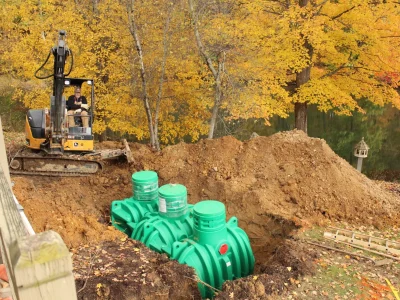
Property value is rarely shaped by one dramatic feature alone. More often, it is the sum of quiet systems working exactly as they should. In Wantage, that includes grading, drainage, driveway access, well location, and one of the least glamorous but most financially important components on a property: the septic system.
People tend to notice a kitchen renovation or a new roof right away. They do not usually get excited about soil logs, percolation testing, reserve areas, or the exact separation distances between a septic field and a well. Yet those details can influence whether a sale proceeds smoothly, whether a lot is buildable, whether an addition is possible, and whether a buyer feels confident enough to pay top dollar. That is where septic engineering and design Wantage NJ becomes more than a permitting exercise. It becomes part of the property’s economic story.
In a place like Wantage, where many homes rely on individual septic systems rather than public sewer, the design and condition of that system carry unusual weight. Buyers, appraisers, lenders, real estate agents, and municipal reviewers all understand, at least loosely, that a weak septic situation can drag down value. What they sometimes miss is the opposite: a thoughtfully engineered system, properly documented and matched to the site, can preserve flexibility and protect long-term marketability in ways that are not obvious at first glance.
Why septic design affects value before a home even goes on the market
A septic system is not just buried infrastructure. It dictates how a home can be used. Bedroom count, future additions, finished basements with plumbing fixtures, detached guest spaces, and sometimes even the practical layout of a lot can all tie back to septic capacity and design constraints.
In Sussex County communities like Wantage, those constraints are often site specific. Two neighboring lots may look similar from the road and still behave very differently underground. One may have favorable soils, decent depth to seasonal high groundwater, and enough usable area for both an initial disposal field and a compliant reserve area. The other may have limiting soils, slope issues, ledge, or drainage patterns that make design much more complicated and costly.
That difference matters to value because the market assigns money to certainty. A buyer will usually pay more for a property where the wastewater system is understood, documented, compliant, and sized sensibly for the structure. They tend to discount properties where questions remain unanswered, even if no failure is visible.
I have seen sellers invest heavily in cosmetic improvements while leaving septic questions unresolved, only to lose leverage once an inspection or records search begins. I have also seen modest houses sell confidently because the septic file was clean, the design capacity matched the home, and the buyers knew they were not inheriting a hidden land use problem. It is not always the newer-looking property that wins. Often, it is the one with fewer infrastructure unknowns.
Buildability is value, and septic engineering often decides buildability
Vacant land in Wantage can be deceptively attractive. Open views, quiet roads, stone walls, and mature trees create an immediate emotional pull. But emotion does not secure a building permit. Before a lot has meaningful market value as a homesite, there must be a realistic path for water supply and wastewater disposal that meets code and site conditions.
Septic engineering sits at the center of that analysis. If a parcel cannot support a compliant septic design, or if the design requires extraordinary measures that strain the project budget, the land’s value can drop sharply. On the other hand, a lot with approved or well-supported septic design work gains credibility in the market because the largest environmental uncertainty has already been addressed.
This is especially important when buyers compare lots. A parcel listed at a slightly higher price may still be the better deal if it already has favorable test results, a feasible disposal field location, and a clear separation from well setbacks, wetlands, slopes, and septic engineering and design Wantage NJ other constraints. Raw land buyers are often cautious for good reason. They know that a failed test or a restrictive design finding can erase months of momentum and thousands of dollars.
For that reason, septic engineering and design Wantage NJ often has a direct effect on land pricing. It can turn a speculative parcel into a believable building opportunity.
The hidden cost of poor design
When septic engineering and design Wantage NJ people hear that a septic system is “working,” they sometimes assume the design must be fine. That is not always true. A system may function for years while still being undersized, poorly located, difficult to access, or limiting future property use. The damage to value often shows up later, when the owner wants to expand the home, refinance, sell, or resolve an inspection issue.
Poor septic design tends to affect value in several practical ways:
- It can reduce the recognized bedroom count if system capacity does not support the layout of the house.
- It can consume valuable yard area, leaving little room for additions, pools, garages, or drainage improvements.
- It can create recurring maintenance or wetness issues that make buyers uneasy.
- It can complicate permit applications for renovations or accessory structures.
- It can force expensive redesign work at the moment a transaction is already under pressure.
Those are not theoretical problems. They show up in ordinary residential deals all the time. A homeowner may believe they own a four-bedroom house because that is how the family has used it for years. Then an engineer or health department file indicates the septic was approved for fewer bedrooms. At that point, the discrepancy becomes more than semantics. Appraisers, lenders, and buyers may all view the property differently.
The market does not like ambiguity, particularly when health and environmental regulations are involved.
How engineers protect value through layout and foresight
Good septic engineering does more than satisfy minimum code requirements. It anticipates how people actually live on the property and how the property may change over time. That judgment is where experience matters.
A strong design begins with the land itself. Soil characteristics, topography, groundwater conditions, drainage patterns, and available area all guide what is feasible. But beyond feasibility, there is strategy. Where should the system go so that service access remains practical? Can the layout preserve a better backyard? Will the reserve area interfere with a future deck, garage, or addition? Is the grading around the house likely to direct excess water toward the disposal field? Those decisions can affect value years after construction.
In Wantage, where larger lots can give the impression of unlimited flexibility, placement still matters. A poorly chosen field location may waste the most useful part of the site. A better design might preserve open lawn, protect tree lines worth keeping, and maintain distance from wells and drainage features without creating avoidable conflicts.
Buyers may not speak in engineering terms, but they respond to the result. They recognize when a property feels unconstrained and when it feels like every future improvement will trigger an infrastructure problem.
Renovations, additions, and the price of not planning ahead
One of the most common moments when septic design becomes a value issue is during renovation. A family buys a home intending to add a bedroom over the garage, finish part of the basement, or enlarge the footprint a few years later. If the septic system and reserve area were planned tightly, those improvements may be difficult or impossible without substantial septic upgrades.
That becomes a pricing issue in two ways. First, a current owner may invest in design work or system replacement before listing, simply to remove those barriers. Second, a buyer who sees limited expansion potential may lower their offer, especially in markets where multigenerational living, home offices, and flexible floor plans are increasingly valuable.
This is where real estate and engineering intersect very directly. A house is not only worth what it is today. It is also worth what it can become. Septic capacity, reserve area availability, and compliant siting affect that future.
I once saw a perfectly attractive rural home lose momentum because the rear addition everyone wanted would have encroached on the septic reserve area. The lot looked generous on paper, but the usable building envelope was much tighter than expected. No one was upset with the house itself. The disappointment was in the lost option. Buyers pay for options, and they discount restrictions.
Replacement systems and market perception
A replacement septic system is not automatically a negative. In many cases, it can improve value, particularly if the old system was nearing failure or based on outdated assumptions. Buyers are often relieved to see that a major infrastructure issue has already been addressed.
What matters is the quality of the engineering, the documentation, and the fit between the replacement system and the property. A well-designed replacement can restore confidence. A rushed or awkward solution can do the opposite.
Perception usually turns on questions like these:
- Was the replacement properly engineered for the home’s actual use?
- Is the location accessible for future service and maintenance?
- Does the design preserve a usable reserve area and reasonable yard function?
- Are the approvals and as-built records clear and available?
- Does the system solve the underlying site issues, rather than merely relocating the problem?
When those answers are strong, a replacement system can become a selling point. Not a glamorous one, but a meaningful one. Many buyers would rather purchase a home with a recently engineered and installed septic system than gamble on an older system with vague history.
Documentation has monetary value
One of the quieter truths in this field is that paperwork itself carries value. A property owner who can produce clear septic records often has an advantage over one who cannot.
That includes approved plans, permits, soil test information, as-built drawings if available, maintenance history, pump records where relevant, and any correspondence that clarifies design capacity or changes over time. These documents reduce uncertainty. They also help professionals involved in a transaction do their jobs faster and with fewer assumptions.
In Wantage, where older homes may have changed hands several times and records may be incomplete, even partial documentation can matter. If a buyer has to guess where the system sits, what size it is, whether the reserve was preserved, or whether the home’s current layout matches the approved design, concern spreads quickly. Real estate agents become cautious in their language. Attorneys ask more questions. Lenders may require more review. A deal that should have been straightforward turns into a negotiation around risk.
A well-documented septic history does not guarantee top dollar, but it supports stronger pricing because it reduces friction. In real estate, reduced friction often translates directly into retained value.
Appraisal, lending, and the practical side of compliance
Appraisers are not septic designers, but they do react to facts that affect marketability and legal use. Lenders do the same. If a system is failing, noncompliant, or mismatched to the represented use of the home, those issues can influence financing and appraisal outcomes.
The strongest impact tends to come from bedroom count discrepancies, visible failure signs, unresolved repair obligations, or uncertainty over whether a property can legally support its current occupancy pattern. These are not rare edge cases. They come up often enough that buyers, especially experienced ones, ask septic questions early.
That is one reason thoughtful septic engineering and design Wantage NJ supports value beyond the installation phase. It aligns the physical property with the legal and financial framework around it. When the home’s use, approvals, and infrastructure all tell the same story, transactions tend to proceed with less resistance.
Site conditions in Wantage that commonly shape design and value
Wantage presents the kind of variation that makes local knowledge useful. Broadly speaking, the township includes rural residential properties, open land, wooded tracts, sloped areas, and a mix of soil conditions that can shift significantly from one site to the next. That means there is no universal “typical” septic solution.
Some properties have ample room and forgiving conditions. Others face constraints from rock, wet areas, steep grades, or lot configuration. Existing wells, neighboring wells, drainage swales, easements, and prior site disturbances can all tighten the design window.
What owners sometimes underestimate is how small differences in test results or layout can affect final value. A lot that supports a conventional design with comfortable setbacks may be far more attractive than one that requires a more complex solution with tighter tolerances, even if both are technically buildable. Complexity is not bad in itself, but the market usually assigns a premium to simplicity because simplicity feels durable.
That same principle applies to improved properties. If the system layout leaves room for ordinary ownership choices, value holds better. If every change requires engineering gymnastics, the property becomes harder to position at the top of the market.
What property owners can do before value is tested by the market
The best time to think about septic value is before a buyer, appraiser, or building official forces the issue. Owners who take a proactive approach usually preserve more leverage and avoid rushed decisions.
A practical approach often includes reviewing existing records, confirming approved design capacity, understanding where the system and reserve area are located, and consulting qualified professionals before planning an addition or marketing a property with unusual features. This is not overkill. It is the same kind of due diligence owners routinely apply to roofs, wells, and structural repairs.
If there has been persistent wetness, recurring backups, unexplained odors, or uncertainty about whether past renovations were reflected in approvals, those are signals worth addressing early. Waiting rarely makes the issue cheaper, and it almost never makes it easier to explain during a sale.
The role of local credibility
There is also a human factor that should not be ignored. In smaller and more rural markets, reputation and familiarity matter. Professionals who regularly work in the area understand the local review environment, common site challenges, and the practical expectations of buyers and municipal officials. That local familiarity often leads to cleaner designs and fewer avoidable mistakes.
This does not mean every property needs a heroic engineering effort. Many sites are straightforward. But even straightforward sites benefit when the design work is grounded in local conditions rather than generic assumptions. That is particularly true in septic work, where a few feet in the wrong direction or one overlooked site limitation can create years of downstream inconvenience.
From a property value standpoint, local competence shows up in subtle but important ways. Plans are easier to interpret. Questions are answered faster. Buyers feel less like they are stepping into a mystery.
Value is strongest when the invisible systems are handled well
At the high end of the market and the middle of the market alike, buyers respond to confidence. They pay for homes and land that feel usable, lawful, maintainable, and adaptable. Septic systems are central to that confidence in areas like Wantage, even if they remain out of sight.
A well-engineered septic design supports more than sanitation. It supports bedroom count, expansion potential, financing stability, buyer trust, and the daily practical use of the land. It can keep a vacant lot buildable, a home saleable, and a renovation possible. Poor planning can do the opposite, often at exactly the moment when options matter most.
For owners, developers, and buyers looking at rural and semi-rural properties, septic engineering is not background paperwork. It is part of the value structure itself. In Wantage, where land and infrastructure have to work together, that connection is especially clear. When the design is right, the property has room to hold its worth. When it is not, the market notices, even if the problem stays underground for a while.
Excavating New Jersey LLC
406 County Road 565
Wantage, NJ 07461
(973) 791-4284
FAQ About septic engineering and design Wantage NJ
Who can design a septic system?
A New Jersey licensed professional engineer can assess the property and prepare the design. The local administrative authority can explain the applicable submission and permit requirements.
Why would I need an engineered septic system?
Soil conditions, groundwater, setbacks, lot size, or the expected wastewater flow can affect which designs are suitable. A site evaluation helps identify options for the property.
How much does it cost for an engineer to design a septic system in NJ?
Costs vary with site conditions, testing, surveying, and the scope of the design. Ask for an itemized quote that separates engineering, tests, permits, and installation.